Thai beauty creator impact: Why creators matter in nation
The digital landscape in Southeast Asia is shifting rapidly, driven by a massive surge in connectivity and content consumption.
Understanding the Thai beauty creator impact requires looking at the intersection of high internet penetration and a young, digitally native population. This guide explores why these creators matter, the career realities of the industry, and the regulatory environment shaping their influence.
Key takeaways include the massive scale of internet usage in Thailand, the growing interest among Gen Z in influencer roles, and the strictness of emerging global marketing regulations.
Why does the Thai beauty creator impact matter in a connected nation?
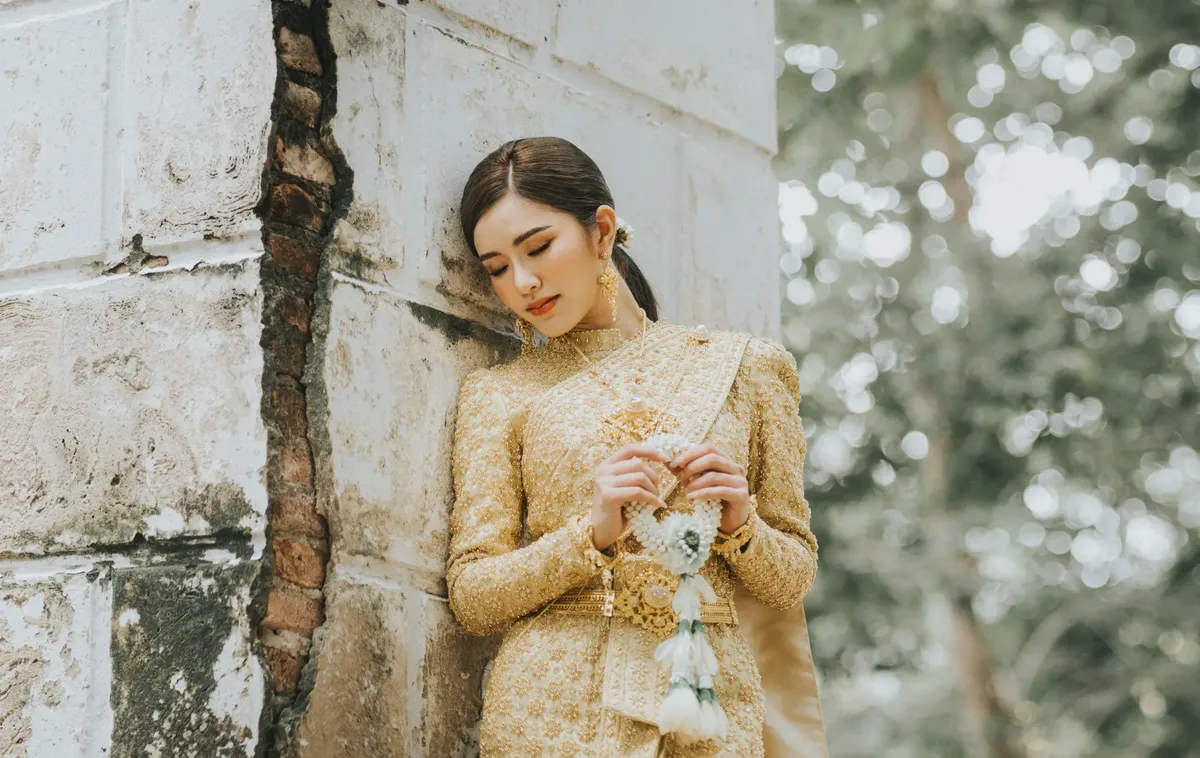
At midnight in a darkened bedroom, a teenager stares at a glowing smartphone screen while feeling the weight of the Thai beauty creator impact.
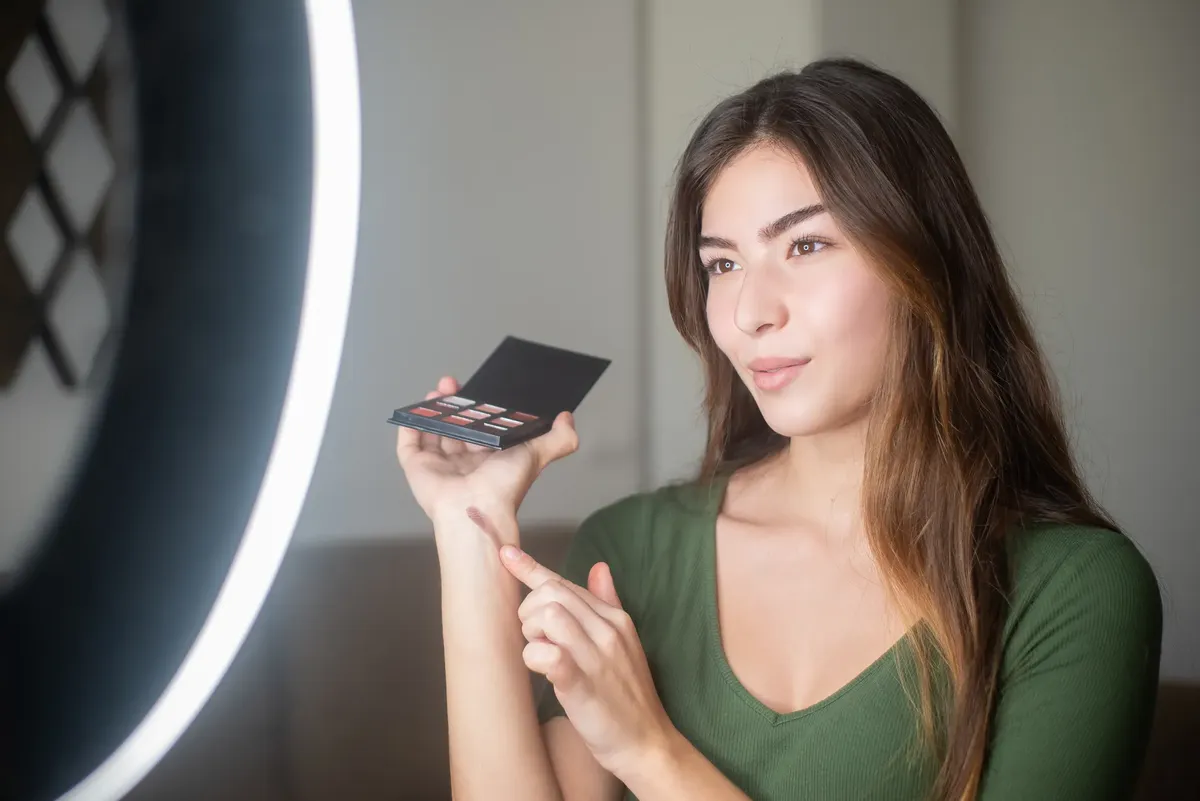
A smartphone screen glows in a dimly lit room as a content creator adjusts a ring light to capture the perfect shade of lipstick. This constant stream of visual data reflects a reality where nearly everyone is online.
The Thai beauty creator impact is significant because of the sheer scale of digital connectivity within the country. According to World Bank data, Thailand recorded a share of internet users of 90.9% in 2024.
This widespread access means that beauty content reaches a massive, concentrated audience almost instantly.
With such high connectivity, the Thai beauty influencer role becomes a primary driver of consumer trends and product discovery. The digital environment allows creators to bridge the gap between brands and consumers through visual storytelling.
This reach turns a single video into a nationwide conversation.
How is the Thai beauty content power shaping career aspirations?
A student leans over a desk in the afternoon, blinking at a bright monitor while witnessing the Thai beauty content power change their dreams.
A student sits at a desk, scrolling through a feed of makeup tutorials while considering a future in digital media. For many, these videos represent more than just entertainment; they represent a possible future.
The Thai beauty content power is reflected in the shifting professional goals of the younger generation. In a 2024 survey, 57% of Gen Z said that they would like to be a social media influencer. This indicates a massive interest in entering the digital economy as a primary profession.
This interest is not just about fame but about perceived stability in the modern economy. Another 53% considered it a credible career pathway. Such high interest levels suggest that the creator economy is becoming a central pillar of the digital workforce.
According to World Bank, the 2024 record includes 90.9%.
What are the economic realities of being a beauty influencer in Thailand?
A creator reviews a monthly bank statement, noting the significant gap between top earners and those just starting out. The reality of the digital economy is often much different from the polished images on screen.
The economic landscape for creators is highly uneven, with a vast difference between top-tier talent and newcomers. While top-tier influencers generate attention, only 4% of all influencers make more than $100,000 a year. Most creators operate on much thinner margins.
The distribution of income shows a steep hierarchy within the industry. Half of all social media influencers make less than $15k a year, while only 4% of social media influencers make more than $100k a year. This disparity highlights the competitive nature of the field.
| Income Bracket | Percentage of Influencers |
|---|---|
| High Earners (>$100,000) | 4% |
| Low Earners (<$15,000) | 50% |
I observed this income gap when comparing the lifestyle of high-profile creators to the reality of those just beginning their journey.
How do regulations protect consumers from fake beauty content?
An investigator examines a series of bot-generated comments on a sponsored post to determine if they are authentic. As the industry grows, so does the scrutiny regarding the truthfulness of digital endorsements.
Regulatory bodies are increasingly focused on ensuring that influencer marketing remains transparent and honest.
In August 2024, the Federal Trade Commission voted unanimously to ban marketers from using fake user reviews created by generative artificial intelligence chatbots and influencers paying for bots to increase follower counts. This move targets the manipulation of perceived popularity.
Building a fan base with Thai beauty requires genuine engagement rather than artificial metrics. When authenticity is replaced by bots, the trust between the creator and the audience erodes. Regulatory oversight aims to preserve this trust by punishing deceptive practices.
What are the steps to maintain professional integrity in influencer marketing?
A creator sits down to write a disclosure statement for an upcoming sponsored video, ensuring they follow all legal guidelines. Maintaining transparency is essential for long-term success in a regulated market.
To navigate the professional landscape, creators should follow these steps:
- Clearly distinguish sponsored content from organic posts to maintain transparency. 2. Avoid using artificial intelligence or bots to inflate follower counts or engagement metrics. 3. Verify the truthfulness of product claims before presenting them to an audience.
After following these steps, a creator should perform a final check to ensure all disclosures align with local advertising standards.
Can an influencer's impact be measured through engagement?
A marketer analyzes a spreadsheet of engagement rates to decide where to allocate the next advertising budget. The relationship between spending and engagement is a key metric for the industry.
The effectiveness of a campaign is often tied to how well the audience interacts with the content. A 1% increase in spending on influencer marketing can lead to a 0.5% increase in audience engagement. This demonstrates that while spending drives reach, engagement is a separate, vital metric.

The Thai beauty influencer role relies on this delicate balance of visibility and engagement. If the engagement is not authentic, the impact on consumer behavior may be negligible. Success depends on converting attention into meaningful interaction.
- Why does the Thai beauty creator impact matter in a connected nation?
- How is the Thai beauty content power shaping career aspirations?
- What are the economic realities of being a beauty influencer in Thailand?
The same subject is also called Why Thai beauty creators matter.
The same subject is also called Beauty creators in Thailand.
This part also covers Thai beauty creator influence study.
This part also covers Role of Thai beauty on YouTube.
Thai beauty creator influence study
Related





Comments 0