Thai food channel trends: Analyzing cultural roots of food
"The digital screen has become the new communal table where flavors travel across borders instantly."
The surge in Thai food channel trends is largely driven by high digital connectivity and the visual appeal of traditional cooking. Viewers engage with these channels to explore authentic recipes and cultural stories through a screen.
This analysis examines why these digital food experiences resonate, the scale of massive viewership, and the underlying economic context of the region.
Why is the popularity of Thai food channel trends growing?
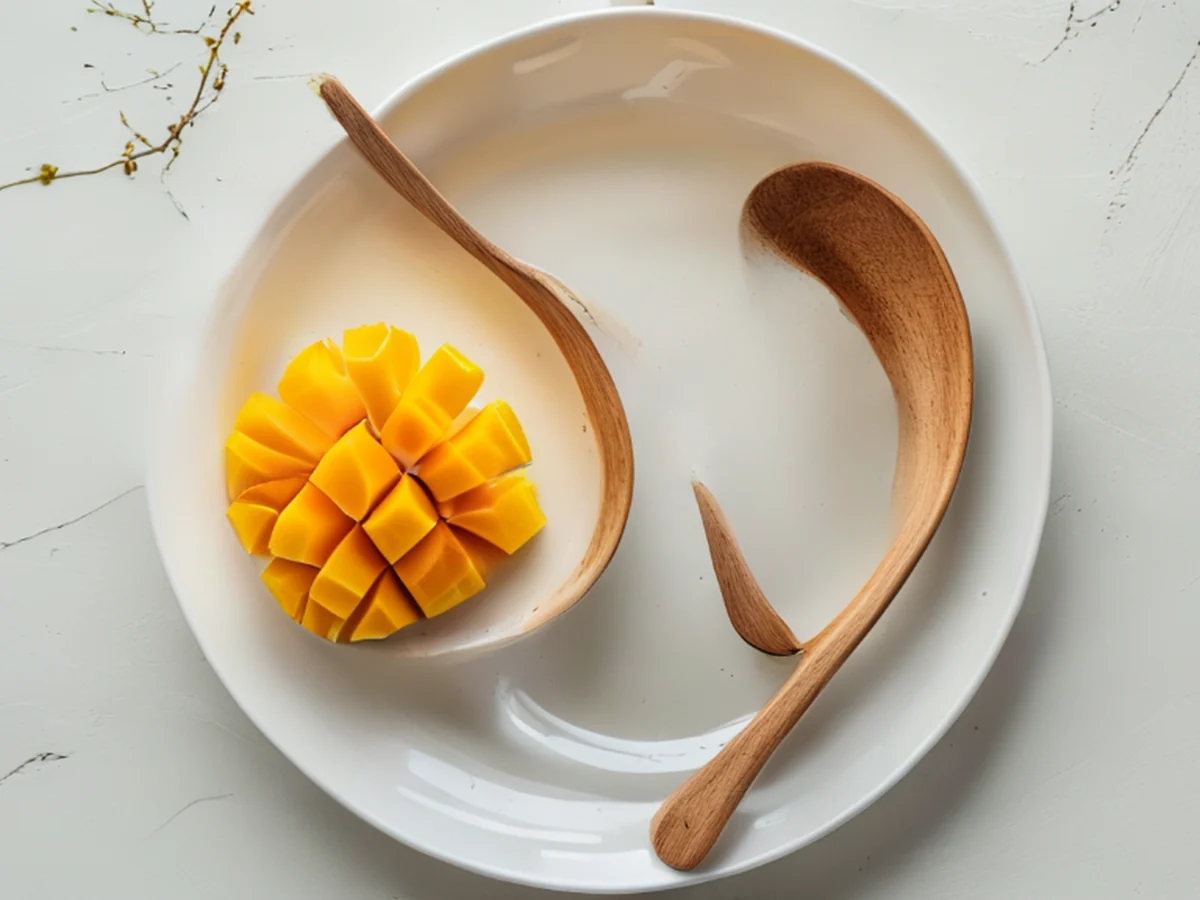
Late at night in my dark bedroom, my thumb swipes across the glowing screen as the scent of imagined spices from a thai cooking video fills my mind.
A finger swipes through a brightly colored video of sizzling garlic on a smartphone screen. The sudden popularity of these digital culinary journeys stems from the massive reach of internet access within the region.
According to World Bank data, Thailand recorded a share of internet users of 90.9% in 2024. This high level of connectivity allows food content to reach a vast audience almost instantly. These popular cooking videos become a shared cultural experience for millions of viewers globally.
However, the appeal of these trends may be limited when viewers lack access to authentic ingredients.
How large is the reach of a Thai recipe youtube audience?
During my morning commute on the train, I stare at the screen and feel the heat of a virtual thai kitchen through the bright visuals.

A massive number of subscribers watches a single video of a family cooking in a rural village. The scale of these platforms is evident when looking at the sheer volume of engagement on major platforms.
For instance, the Village Cooking Channel on YouTube has 31,000,000 subscribers and a total of 10,281,374,249 views across 284 videos. Such massive numbers illustrate how Thai recipe youtube content can capture global attention. This scale of viewership turns local cooking into a global phenomenon.
This reach can fluctuate depending on the specific regional popularity of certain dishes.
According to World Bank, the 2024 record includes 90.9%.
What makes a food channel successful? A camera lens focuses on the texture of a spicy curry being stirred in a large metal pot. To understand this trend, one must look at how creators balance tradition with modern production.
Effective food channel analysis shows that creators often blend traditional methods with high-definition visuals. This combination of authenticity and modern technology keeps viewers coming back.

Analyzing food content requires looking at both the visual storytelling and the cultural roots presented in each clip.
- Identify the core culinary niche.
- Evaluate visual presentation quality.
- Assess audience engagement levels.
Which Thai food tutorials are best for me? A student carefully follows a step-by-step guide to seasoning a soup to achieve the perfect balance. Many people turn to these videos to learn skills that are difficult to master in person.
Many viewers look for the best Thai food tutorials to replicate authentic flavors at home. These creators often demonstrate techniques that are passed down through generations. Learning these methods through a screen provides a practical way to explore new cuisines.
In this order, the second step is the most detailed.
What is the impact of digital growth on local food culture?
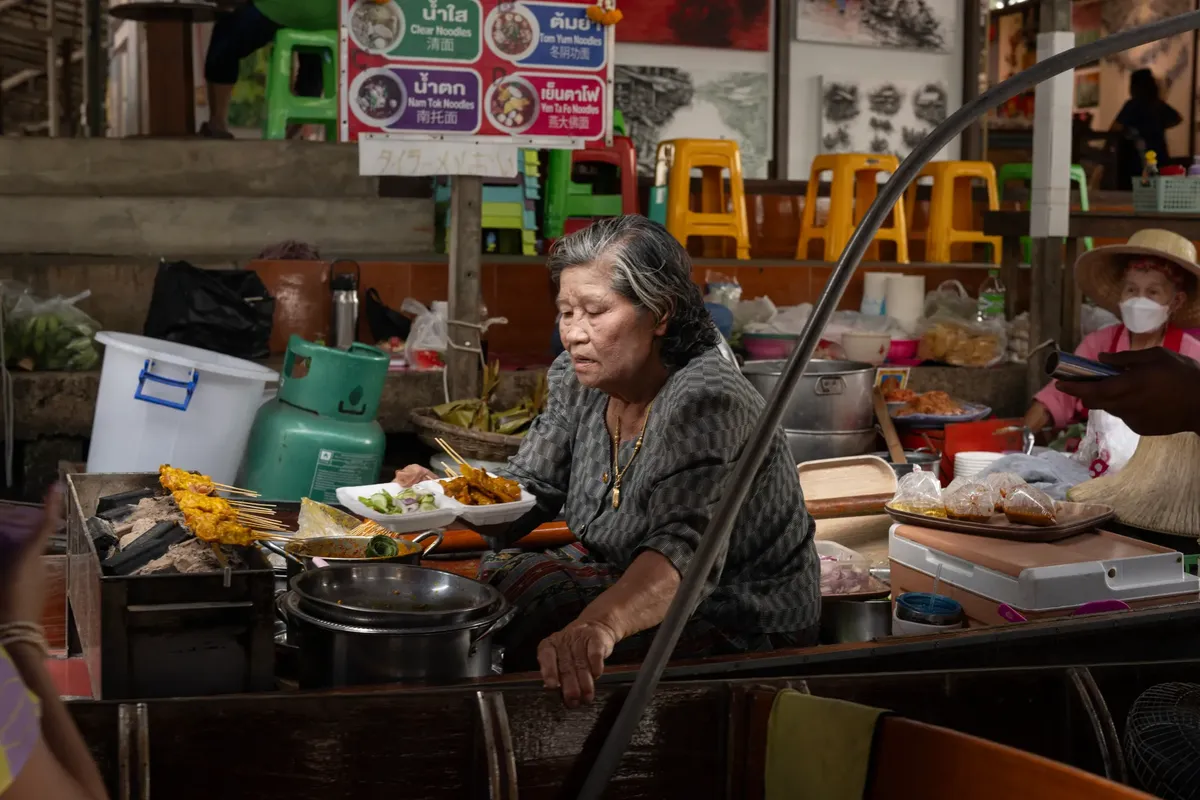
A street vendor prepares a meal while a passerby records the process on a mobile device. The intersection of traditional street food and digital media creates a unique cultural tension.

In 2017, the Bangkok Metropolitan Administration (BMA) and the Metropolitan Police Bureau (MPB) began ordering street food vendors off the pavements and roadways of the capital. While digital channels celebrate street food, local regulations can change how these traditions are physically practiced.
This creates a complex relationship between digital popularity and local reality.
The influence of digital growth is not always positive if it leads to the homogenization of traditional recipes.
How do economic factors influence content creation?
A creator calculates the cost of ingredients before filming a new recipe in a modest kitchen. The economic landscape of a country plays a role in how digital businesses and content creators operate.
The economic context of the region involves various challenges, including low productivity and high household debt. These factors can influence the types of content produced and the resources available to creators. Understanding these nuances is essential for a complete food channel analysis.
Content creation strategies may not be effective if the production costs exceed the potential revenue.
Summary of Digital Engagement
| Metric | Value | | :--- much | :--- | | Internet User Share (2024) | 90.9% | | High-tech Export Share (2024) | 28.3% |
I observed how a single video can reach millions of people through these digital platforms. While these trends show massive growth, the content is shaped by the specific economic and regulatory environment of the region.
The subject here is Thai food channel trends.
The same subject is also called Cooking trend report.
This part also covers Why Thai cooking is popular.
Related




Comments 0