Thai cooking channel success: Tips for mobile food culture
"The digital landscape in Southeast Asia has transformed how culinary traditions reach a global audience, turning local recipes into international sensations through screen-based storytelling."
The success of a Thai cooking channel often stems from a massive digital footprint and the widespread accessibility of mobile content.
This analysis looks at how internet penetration and industry trends facilitate such growth, while noting that logistical challenges like waste management remain a localized constraint.
Key takeaways: 1. High internet penetration provides a massive baseline for audience engagement. * Growing interest in mobile food culture drives interest in recipe-based content. * Digital connectivity allows for rapid scaling of niche culinary topics.
How does internet access drive Thai cooking channel success?
As the sun rises over the city, a chef taps a smartphone screen in her kitchen to upload a vibrant thai recipe.
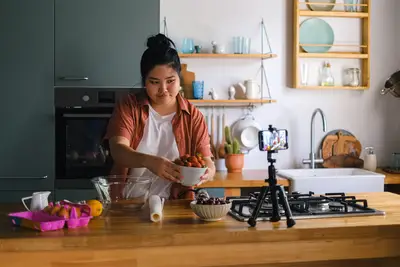
A creator sits in a bright kitchen, adjusting a ring light to capture the steam rising from a bowl of Tom Yum soup. This digital connectivity is the foundation of modern content distribution.
According to World Bank data, Thailand recorded a share of internet users of 90.9% in 2024. This high level of connectivity ensures that digital content, including food-related media, reaches a vast and active audience.
The high connectivity makes it easier for creators to build communities around specific culinary niches. This widespread access allows for the rapid spread of Thai food video trends across various social platforms.
The ability to reach a massive audience instantly is a primary driver for digital growth. This environment supports the development of unique content strategies that can capture global attention.
What role does the mobile food culture play in content popularity?
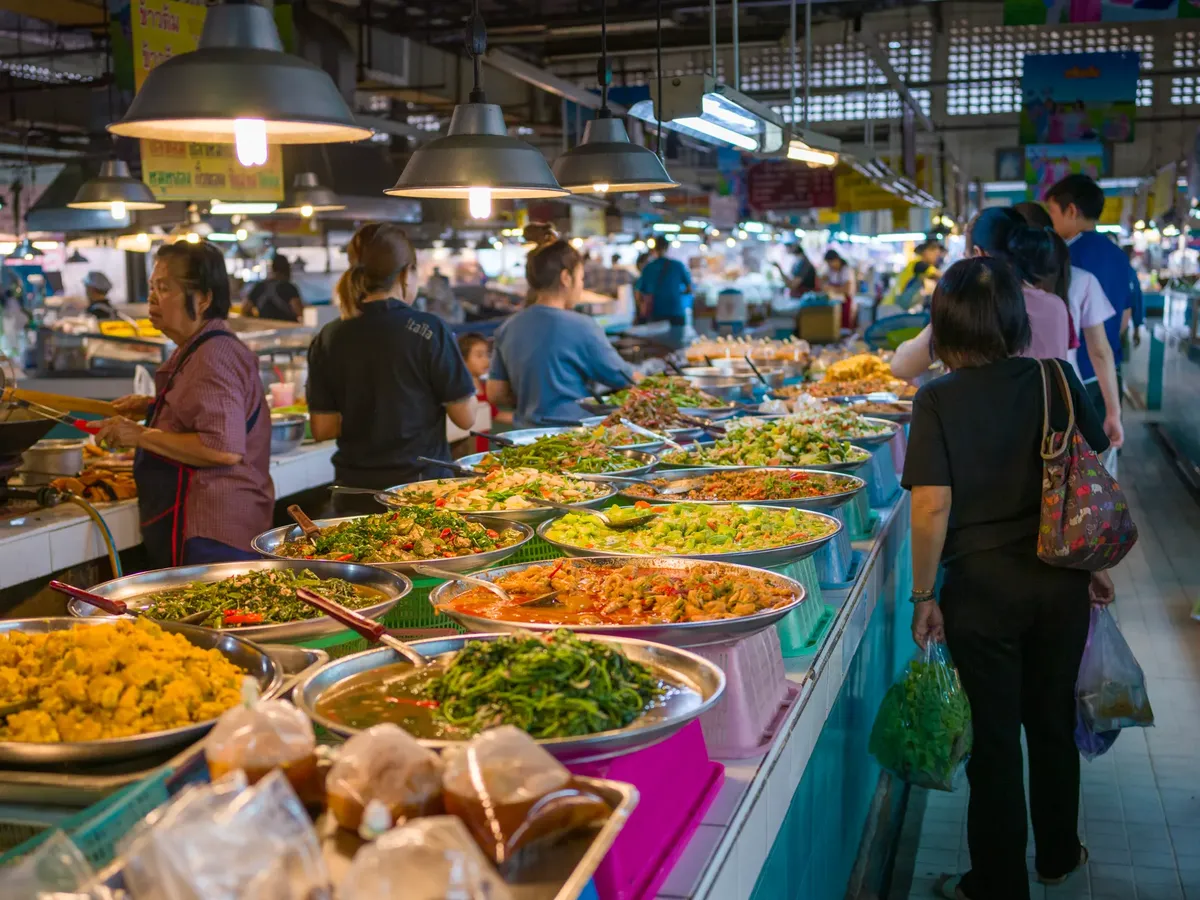
In the middle of a crowded night market, a traveler swipes through a bright phone screen while smelling the spicy aroma of authentic thai street food.
A food enthusiast scrolls through a smartphone, watching a chef prepare street food in a bustling outdoor market. The popularity of mobile dining often translates into an appetite for digital food content.
With the British street food industry growing 20% year-on-year, the increase in popularity of having a mobile food van at events has been substantial. This growing interest in portable, vibrant food culture often mirrors the visual appeal sought in cooking videos.
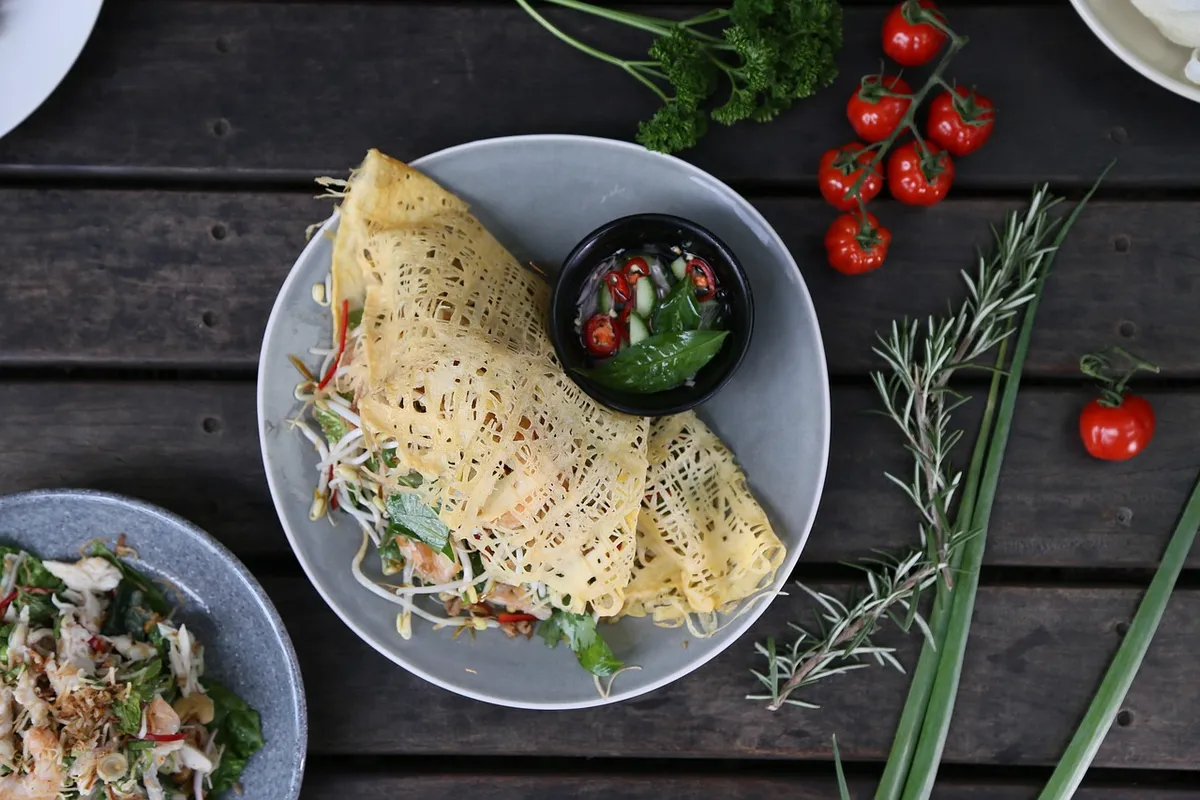
The visual and kinetic nature of street food makes it perfect for short-form video. This allows for the natural rise of popular Thai recipes online through engaging, fast-paced demonstrations.
Content creators often draw inspiration from these mobile food trends to create sensory-rich videos. This connection helps bridge the gap between local traditions and global digital consumers.
According to World Bank, the 2024 record includes 90.9%.
How does the background of food vendors influence content diversity?
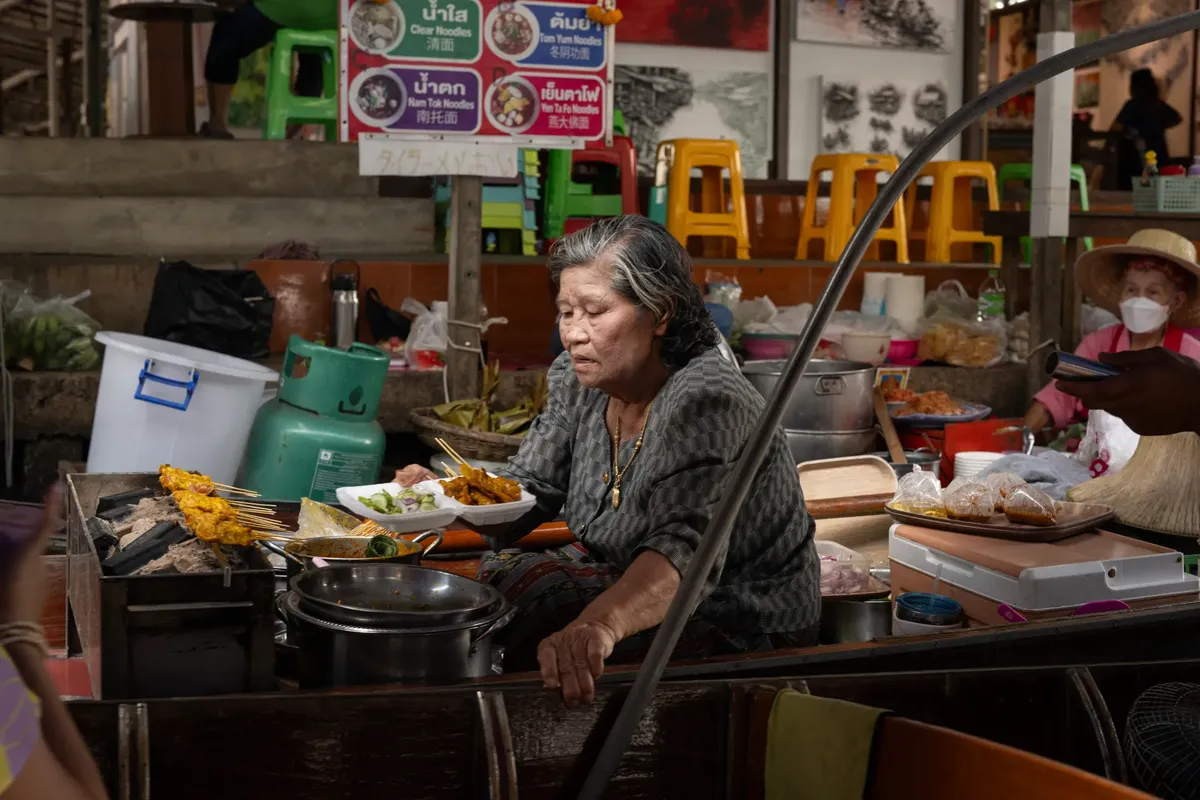
A vendor prepares ingredients on a small cart, carefully organizing spices for the next customer. The stories of those behind the food often become the heart of successful culinary storytelling.
In New York, 95 percent of street vendors are immigrants, and each supports an average of 4 or 5 people, domestically and in their homelands, said Sean Basinski, Founder and Director of the Street Vendor Project.
Such diverse backgrounds highlight how food serves as a vital link to heritage and community support.
These diverse personal narratives provide deep emotional resonance for viewers. This depth is essential for cooking channel growth tips that focus on authenticity and human connection.
The intersection of heritage and modern media creates a powerful narrative for viewers. This authenticity helps creators build lasting bonds with their audience.
How can creators manage the practicalities of food production?
A chef cleans a workstation, carefully sorting through organic scraps after a long day of filming. Managing the physical side of food production is as important as the digital strategy.
In Thailand, Thais per capita generate an estimated 1.14 kg of solid waste per day—50 percent of it biodegradable. Managing these ingredients and the resulting waste is a constant reality for any food-focused operation.
Efficiently handling ingredients is a core part of culinary content creation. This practice ensures that the focus remains on the quality of the food being prepared.
Creators must balance the aesthetics of filming with the realities of food preparation. This balance is key to maintaining a sustainable production cycle.
What are the steps to building a food-focused digital presence?
A producer plans a weekly filming schedule, ensuring all ingredients are fresh and ready for the camera. Building a consistent presence requires organized planning and execution.
- Establish a consistent visual style that reflects the authenticity of the cuisine. 2. Develop a content calendar to maintain regular engagement with the audience. s3. Integrate storytelling that highlights the cultural significance of the recipes.
A final check ensures that all content aligns with the intended brand identity and audience expectations. This systematic approach helps in analyzing Thai food content for long-term viability.
This structured method allows for repeatable success across different platforms. It provides a roadmap for turning a hobby into a professional digital endeavor.
How does the scale of local waste management affect production?
A worker monitors a disposal site, noting the volume of materials arriving for processing. Understanding the environmental context of food production is a growing concern for creators.
The PCD estimates that in 2017 organic waste collected by municipalities across Thailand accounted for nearly two-thirds of the country's total waste output: a reported 7.6 million tonnes— 64%—of the refuse collected was organic waste.
This massive volume of organic material highlights the scale of food-related waste management challenges.
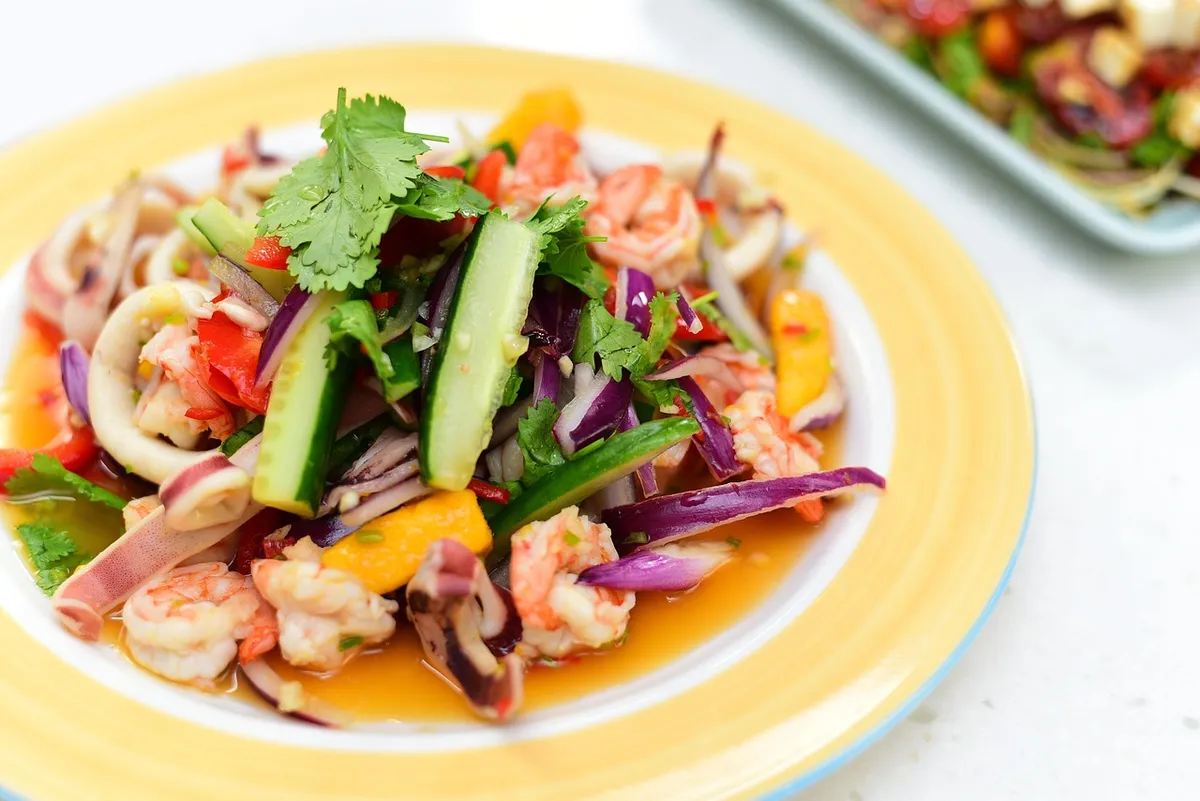
Effective content often addresses the lifecycle of food, from farm to waste. This transparency can build trust with environmentally conscious viewers.
The scale of waste production is a significant factor in any food-centric industry. Addressing these realities can add a layer of responsibility to digital storytelling.
- How does internet access drive Thai cooking channel success?
- What role does the mobile food culture play in content popularity?
- How does the background of food vendors influence content diversity?
The subject here is Thai cooking channel success.
The same subject is also called Food vlog success factors.
This part also covers How Thai cooking channels grow.
This part also covers Fan acquisition Thai cooking.
How Thai cooking channels grow
Related





Comments 0