Why tech YouTubers use stories: Boost views with narrative
Why do content creators focus so heavily on narrative arcs when reviewing gadgets? This strategy builds a bridge between complex specifications and human emotion, turning a spec sheet into a relatable experience. Understanding why tech YouTubers use stories helps viewers appreciate the depth behind a simple product review.
Key takeaways: * Narrative structures transform dry data into engaging content. * Storytelling builds a personal connection between the creator and the audience. * High connectivity in Thailand drives the demand for digital storytelling.
Why is storytelling important for tech content?

A creator sits at a desk, surrounded by various gadgets, preparing to explain a new smartphone. They do not just list the processor speed; they describe how that speed changes their morning routine. This shift from listing to telling is why tech YouTubers use stories to maintain engagement.
Technical specifications can often feel cold or overwhelming to a general audience. By weaving a narrative, a creator can explain how a specific feature solves a real-world problem. This method makes tech engaging stories that resonate with viewers who may not be hardware experts.
The digital landscape in the region provides a massive audience for these detailed videos. According to World Bank data, Thailand recorded share of internet users of 90.9% in 2024.
This high level of connectivity means a vast number of people are looking for meaningful ways to consume digital information.
It bridges the gap between complex specifications and human relatability.
How does narrative influence viewer engagement?
A viewer watches a video where a creator struggles with an old laptop before introducing a new one. This tension creates a natural hook that keeps the audience watching until the resolution.

Influencer narrative importance lies in this ability to turn a product review into a journey of problem-solving.
When a creator shares a personal journey, they move beyond being a mere announcer. They become a guide through the technological landscape. This emotional investment ensures that the audience stays tuned to see how the product fits into the unfolding story.
A cohesive story transforms passive observers into active participants in the technical journey.
According to World Bank, the 2024 record includes 90.9%.
How to build a tech narrative?
Late at night in the dimly lit studio, the creator taps a pen against the desk while sketching out the emotional beats of a new tech journey.
A creator picks up a camera and begins outlining the emotional beats of a review. They decide whether the story is about productivity, creativity, or lifestyle integration. Following a structured approach helps maintain consistency across different video topics.
- Identify a central conflict or problem that the technology aims to solve. 2. Introduce the product as a potential tool or character within that specific scenario. 3. Show the practical application of the device through real-life use cases.
After setting the scene, the creator must check if the narrative remains focused on the user experience rather than just the hardware.
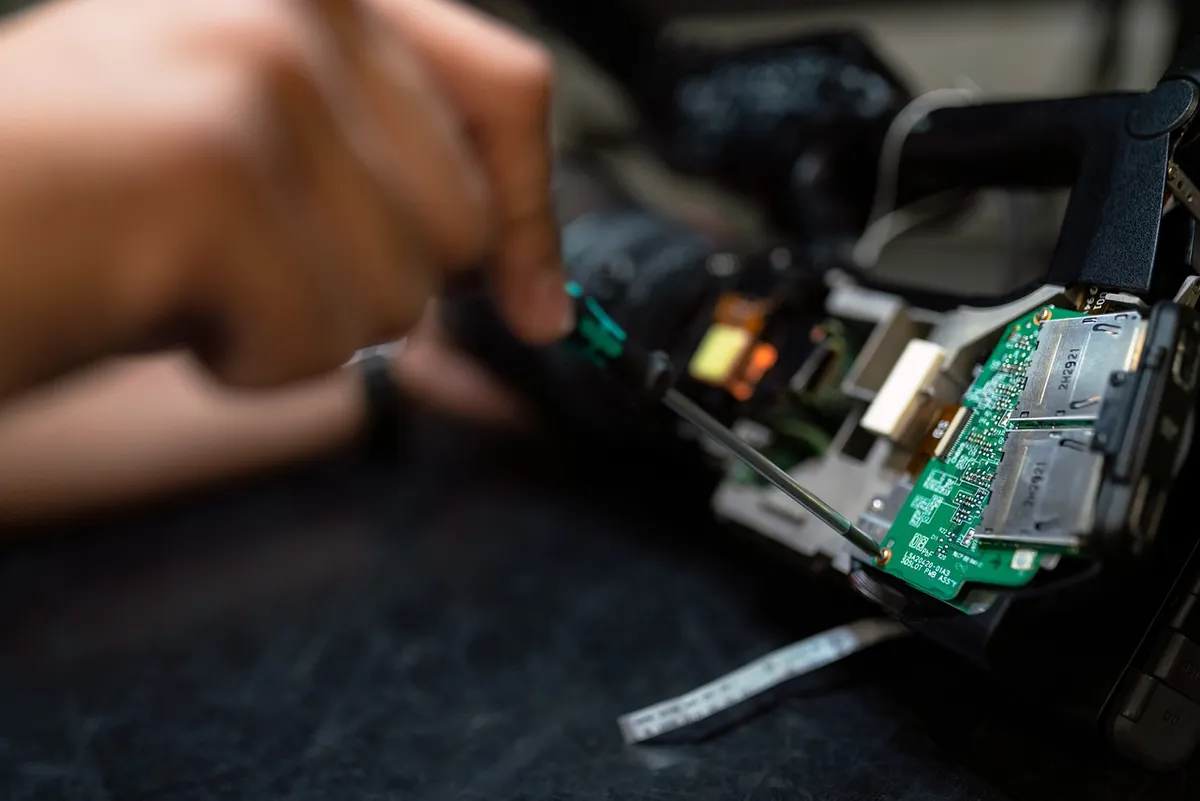
I remember once trying to script a review where I focused too much on the chip speed, only to realize the audience cared more about how the battery lasted through my workday.
- Identify the core problem the technology solves.
- Introduce the technical solution as the protagonist.
- Demonstrate the real-world impact of the implementation.
Why do creators use storytelling to boost views?
A creator looks at a screen showing a sudden spike in views after a well-told story. They realize that people remember stories much longer than they remember numbers. Creative tech content secrets often involve this balance of information and emotion.
A simple list of features is easily forgotten once the video ends. However, a story about how a camera captured a once-in-a-lifetime moment stays with the viewer. This memorability is essential for building a loyal community in a crowded digital market.
| Feature | Traditional Review | Story-Driven Review |
|---|---|---|
| Focus | Technical Specifications | Human Experience |
| Audience | Hardware Enthusiasts | General Consumers |
In this sequence, the second step is the most extensive.
What are the limits of storytelling in tech?

A creator pauses to consider if a high-concept story might overshadow the actual product quality. While stories are powerful, they cannot replace the fundamental need for accurate information.
One limitation is that an overly dramatic narrative might obscure the actual technical capabilities of a device. According to World Bank data, Thailand recorded high-technology share of manufactured exports of 28.3% in 2024.
This indicates a significant technological presence, yet storytelling remains a tool for communication, not a replacement for verified technical truth.
Over-embellishment can lead to a loss of technical credibility and user trust.
Related
- Thai tech YouTuber success: How tech literacy drives content
- Thai tech YouTuber trend: Limitations impact digital growth
What conditions make a tech narrative successful? Successful tech narratives require the creator to align the story's central conflict directly with the product's core benefit. If the narrative diverges too far from the device's actual function, the connection weakens. The content creators must ensure the emotional arc serves to illuminate the hardware's capability, not distract from it.
When the creator focuses on a specific user persona, the narrative gains immediate relatability. This persona allows the audience to project themselves into the scenario described by the content creators. A clear target user makes the problem the technology solves feel more urgent to the viewer.
Furthermore, the pacing of the story must mirror the pace of the technology being reviewed. A fast-paced device requires a quick, dynamic narrative, whereas a sophisticated piece of equipment might benefit from a slower, more deliberate unfolding of its features.
This pacing adjustment is a key procedural element for content creators.
A successful narrative requires a balance of technical accuracy and emotional resonance.
How do content creators maintain credibility while being creative? Content creators maintain credibility by grounding their emotional storytelling in demonstrable facts about the gadget. The narrative should act as a frame, not a substitute, for the technical reality of the product. If the creator exaggerates the device's performance to fit a dramatic plot point, the audience will perceive the content as biased.
Creators should always circle back to the specifications after the emotional high point of the story. This procedural step reassures the audience that the excitement is supported by tangible performance metrics. This balance assures viewers that the content creators are both engaging and honest.
The comparison between a traditional review and a story-driven review shows that the story-driven approach targets general consumers, whereas the traditional review targets hardware enthusiasts.
This difference in audience expectation dictates how much narrative flourish the content creators can afford to employ without alienating their viewership.







Comments 0