Thailand rare wildlife guide for spotting elusive species
"The silence of the Thai jungle is never truly silent; it is a layered symphony of calls, rustles, and wingbeats that only a patient observer can decode."
This guide to Thailand's rare wildlife provides essential strategies for spotting elusive species within the country's rural ecosystems. It is designed for nature enthusiasts seeking to document biodiversity through disciplined observation and minimal environmental impact.

Travelers should focus on dawn and dusk transitions, prepare for unpredictable weather, and strictly adhere to non-intrusive viewing distances. 1. Prioritize high-canopy observation during golden hours. 2. Utilize silent movement and camouflage to avoid startling sensitive species. 3. Maintain strict distance protocols to protect animal behavior. * Prepare for limited connectivity in deep rural zones.
How can I start Thailand eco exploration?
At dawn, you step softly onto the damp forest floor to begin your Thailand eco exploration.
A heavy mist clings to the teak trees as you step quietly onto the damp forest floor. To begin your journey, you must synchronize your movements with the natural rhythms of the rural landscape. According to World Bank data, Thailand recorded share of internet users of 90.9% in 2024.
Successful Thailand eco exploration requires an understanding of local habitats, such as the dense deciduous forests or the lush tropical rainforests. You should identify specific regions known for high biodiversity before arriving.
Start by researching seasonal migration patterns to ensure your presence coincides with peak animal activity.
I remember sitting perfectly still near a watering hole in Kanchanaburi, waiting for a single movement in the brush. This patience is the foundation of any successful wildlife encounter.
Begin by choosing a destination that aligns with your interests, such as the lush jungles of the north or the marine parks in the south.
How can I best watch wildlife in Thailand? Thailand rare wildlife guide
The sun begins to dip below the horizon, casting long, amber shadows across the jungle floor. Effective Thailand wildlife watching relies on sensory awareness and specialized equipment.

To maximize your chances, use high-quality binoculars and long-range lenses to observe animals without disturbing their natural state. Avoid bright colors and loud noises that could trigger a flight response.
Hiring a local guide is often the most effective way to locate elusive species and understand the local ecosystem.
According to World Bank, the 2024 record includes 90.9%.
Where can I find rare birds in Thailand?
A flash of brilliant crimson streaks through the emerald canopy, momentarily breaking the green monotony. Finding rare birds in Thailand involves targeting specific micro-habitats like riverine edges or ancient groves.
Many enthusiasts seek out specific endemic species that reside in protected forest reserves. You should focus on the edges of forest clearings where sunlight penetrates the canopy, attracting insect life and, subsequently, avian predators.
Observing these birds requires extreme stillness and an understanding of their specific feeding heights.
National parks and protected forest reserves offer the best habitats for spotting unique avian species.
Is there a specific method for Thai nature observation?
The humid air carries the scent of crushed leaves and damp earth as you adjust your tripod. Implementing a structured approach to Thai nature observation ensures consistent and ethical documentation.

- Select a stationary observation point that offers a wide field of view without obstructing animal paths. 2. Monitor the wind direction to ensure your scent is carried away from the target area. 3. Keep a detailed field journal to record time, weather, and specific behavioral cues.
Perform a final check of your gear and silence all electronic devices before the observation period begins.
To observe wildlife effectively, follow these steps: 1. Arrive at observation sites during the early morning or late afternoon when animals are most active. 2. Move slowly and maintain a low profile to avoid startling the inhabitants. 3.
Use binoculars or a camera lens to view animals from a respectful distance.
What are the challenges of spotting rare Thai animals?
The sudden downpour turns the forest path into a slick, muddy trail, testing your resolve. Spotting rare Thai animals is often hindered by dense vegetation and the unpredictable temperament of the weather.
Environmental factors play a massive role in visibility and animal movement. Thick undergrowth can obscure even the largest mammals, while heavy rain can drive many species into deep cover.
Additionally, while the country is highly connected, rural areas may lack the infrastructure needed for real-time navigation.
Dense vegetation and unpredictable weather patterns can often make visibility difficult during treks.
How to prepare for observing Thai wild birds?
A sudden chirping breaks the stillness, signaling a change in the canopy's activity. Preparing for observing Thai wild birds requires specific logistical planning.
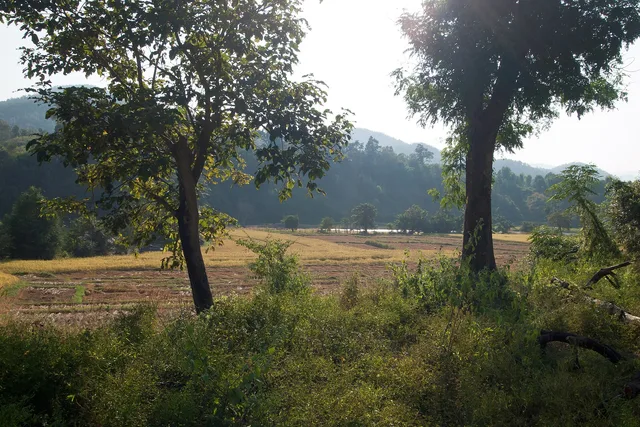
You must pack lightweight, moisture-wicking clothing and waterproof coverings for all optical equipment. It is helpful to carry a local field guide that identifies species by both scientific and common names.
I found that having a physical book was far more reliable than a digital one when the canopy blocked all signal.
| Equipment Type | Primary Use |
|---|---|
| Binoculars | Distance Observation |
| Field Guide | Species Identification |
One limitation of this guide is that it cannot account for the specific animal presence in a localized area at a specific moment.
Pack lightweight, breathable clothing in neutral colors to blend into the environment.
The subject here is Thailand rare wildlife guide.
This part also covers Thailand jungle wildlife tour.
Related
- How was the Thailand YouTube Top 100 determined?
- Thai music global strategy: Guide to digital platform reach
Which gear is necessary for Thai wildlife observation?
Essential gear for Thai wildlife observation includes high-quality binoculars and long-range lenses to maintain distance. You should also carry moisture-wicking clothing and waterproof coverings to protect your equipment from unpredictable weather.
Using long-range lenses allows for observation without disturbing the natural state of the animals. This method is a comparison to closer viewing, which might trigger a flight response.
You must also ensure all electronic devices are silenced to maintain the silence required for successful encounters.
How should I manage connectivity in rural areas?
Managing connectivity in rural areas requires preparing for limited signal in deep zones. While online reports can be useful, you should rely on offline maps and physical field guides because the canopy often blocks digital signals.
Comparing digital tools to physical books shows that books are more reliable when connectivity fails. You should prioritize these offline resources to ensure you can identify species and navigate even when the technological infrastructure of the country does not reach the remote wilderness.




Comments 0