Media education impact: How campus facilities shape future
"The intersection of academic rigor and industry readiness defines the next generation of media professionals."
The digital landscape in Thailand is expanding rapidly, creating a massive demand for skilled communication specialists. This article explores how specialized university facilities and curricula shape the future of the entertainment sector.
Key takeaways include the importance of dedicated communication complexes, the impact of high internet penetration on media consumption, and the role of specialized campus infrastructure in professional development.
How does digital connectivity influence the need for media education?
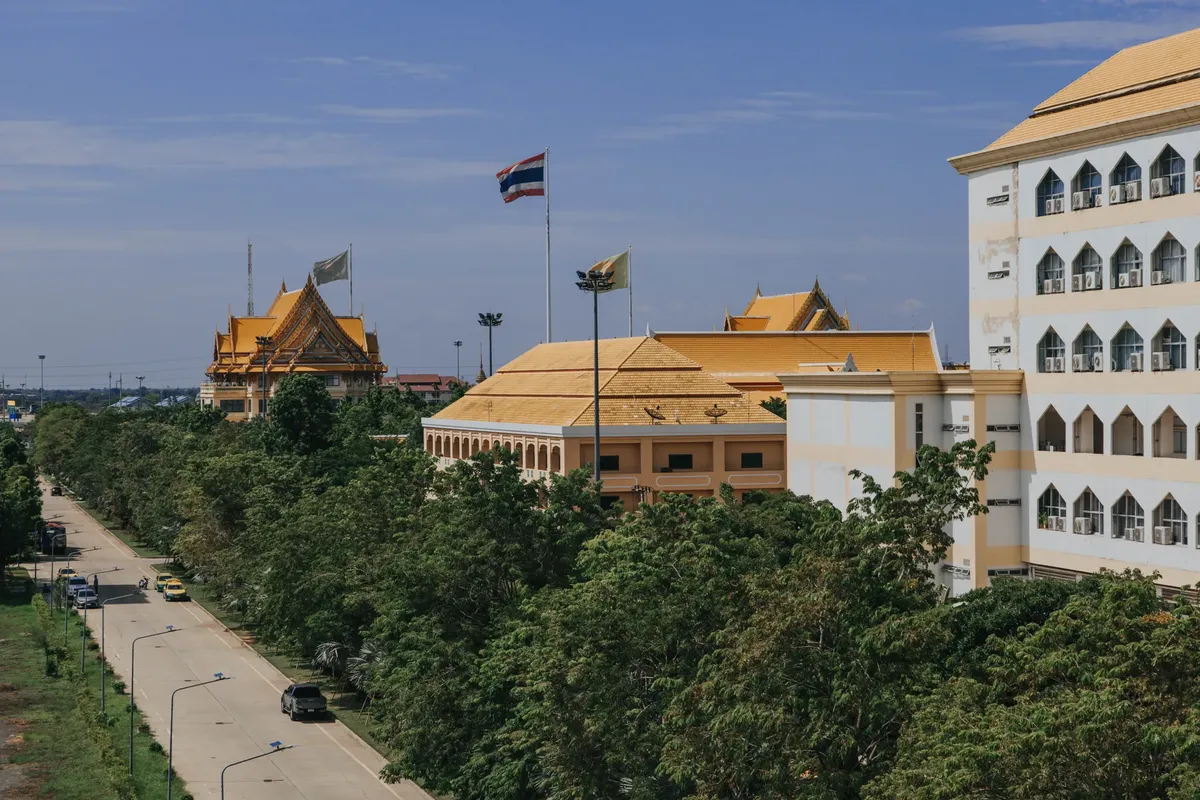
At midnight in the dim bedroom, a student rubs tired eyes while staring at the endless stream of media on a glowing screen.
A student sits in a quiet study hall, scrolling through a tablet while reflecting on the sheer volume of content available online. The digital environment in Thailand is vast, with a high level of connectivity shaping how information is consumed and produced.
According to World Bank data, Thailand recorded a share of internet users of 90.9% in 2024. This high level of connectivity means that media professionals must be trained to handle massive digital audiences.
This connectivity drives the necessity for advanced media education to keep pace with consumer habits.
The reach of digital platforms creates a continuous loop of content demand. As more people go online, the need for professional storytellers and technical experts grows. This trend makes the expertise provided by specialized programs essential for the nation's growing digital economy.
In this sequence, the first step is the most critical.
How does campus infrastructure impact my training?
In the silent lecture hall, I grip my pen tightly while scanning the latest media reports on my laptop screen. A group of students walks through a modern building, discussing a filming project while carrying heavy camera equipment. Specialized facilities allow students to practice real-world scenarios within a controlled academic environment.

The presence of dedicated facilities, such as the Pongtip Osathanugrah Communication Arts Complex, provides a practical foundation for students. These types of specialized spaces allow for hands-on learning that mirrors professional studio environments.
Such infrastructure is vital for bridging the gap between theory and practice.
When students use professional-grade equipment on campus, they develop technical mastery. This hands-on experience ensures that graduates are prepared for the immediate demands of the industry. A well-equipped campus serves as a laboratory for creative and technical experimentation.
According to World Bank, the 2024 record includes 90.9%.
How do professional facilities support the media industry?
At dawn in the soundproof studio, I adjust the dials on a heavy console to perfect the media broadcast.
An instructor demonstrates a lighting setup in a dark studio, while students observe the nuances of shadow and highlight. Professional environments provide the tools necessary to master the complexities of visual storytelling.
The integration of specialized centers, like the Pongtip Osathanugrah Communication Arts Complex, supports the development of industry-ready talent. These facilities allow for the simulation of professional work environments.
Such spaces are critical for developing the technical skills required in modern media production.
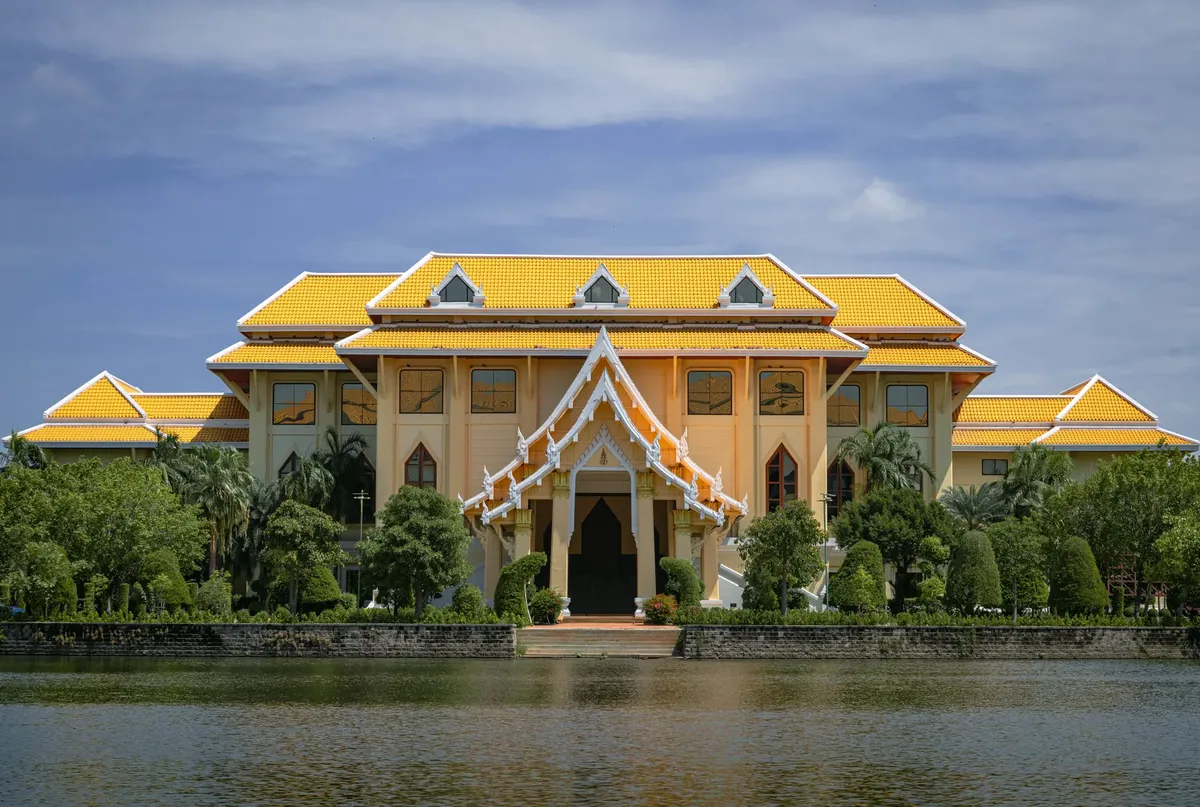
The presence of these complexes ensures that students can engage with high-end technology during their studies. This exposure is a key factor in building confidence and competence. Professional training environments help translate academic concepts into tangible production skills.
Do tech exports drive media development? A technician adjusts a high-tech monitor, ensuring the color accuracy of a digital export. The technological landscape of a nation often influences the technical requirements of its media industry.
The economic context of a country can influence the tools available to the media sector.
This level of technological involvement suggests a robust environment for technical media production.
A strong high-tech sector can provide the hardware and software necessary for advanced media work. This technological base supports the more complex needs of digital broadcasting and content creation. Industrial strength in technology often mirrors the capabilities of the media sector.
What are the steps to utilizing specialized media facilities?
A student carefully organizes a tripod and a microphone before beginning a recording session. Using professional facilities requires a structured approach to ensure both safety and productivity.
- Review the technical specifications of the equipment provided within the communication arts complex to ensure compatibility with the project. 2. Coordinate with lab instructors to schedule specific block times for intensive filming or editing sessions. 3. Perform a final check of all digital storage and power connections before initiating any high-stakes recording.

I once spent an entire afternoon in a studio setting, carefully checking the connection between a camera and a lighting controller to ensure the scene was captured correctly. Following these steps ensures that the technology serves the creative vision effectively.
A limitation of these specialized programs is that the rapid pace of technological change requires constant updates to existing campus facilities.
- Conduct a preliminary equipment assessment to ensure compatibility.
- Schedule specific studio time based on project requirements.
- Execute the production within the controlled environment.
Related
- Polpat Asavaprapha career: Why blend design media roles
- Pailin's Kitchen nutrition: Guide to Thai cooking science
How does the intersection of academic rigor and industry readiness manifest in curriculum design? The curriculum design must balance theoretical knowledge with practical application to meet industry demands. Specialized programs integrate coursework that directly reflects current industry standards. This ensures that the academic preparation aligns closely with professional expectations.
This alignment is crucial because the digital landscape necessitates professionals who can immediately contribute to production workflows. The intersection of academic rigor and industry readiness demands that students master both the creative concepts and the technical execution of media projects.
When facilities support this dual focus, students transition smoothly from classroom exercises to professional tasks. The practical exposure gained within these complexes reinforces the theoretical principles learned in lectures.
In this sequence, the second step is the longest.
What conditions necessitate continuous facility upgrades? The rapid pace of technological change imposes a condition requiring constant updates to existing campus facilities. This necessity stems from the industry's swift adoption of new tools and production methods. Maintaining cutting-edge equipment is vital for effective training.
If the infrastructure lags behind technological advancements, the practical learning experience becomes outdated. Students might practice with obsolete software or hardware, which limits their readiness for the modern workplace.
The condition of obsolescence directly impacts the quality of professional development.
These upgrades ensure that the academic environment remains a true reflection of the industry's capabilities, thereby strengthening the intersection of academic rigor and industry readiness.







Comments 0